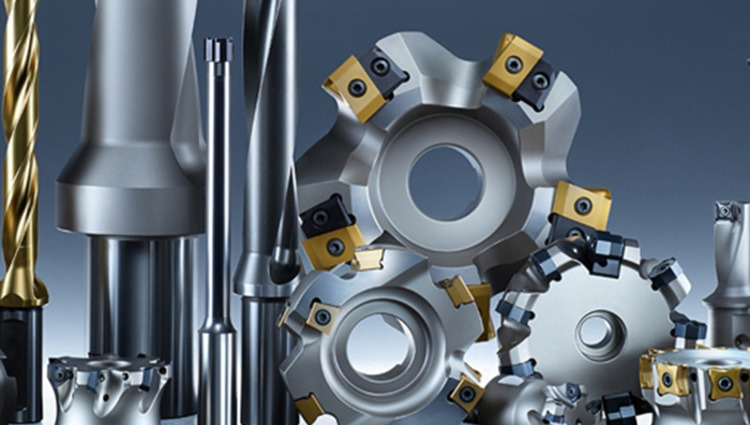
The Role of Precision-Engineered Tools in Modern Manufacturing
In today’s highly competitive industrial landscape, efficiency, accuracy, and durability are not just advantages—they are necessities. From aerospace to automotive, and from mining to infrastructure development, industries around the world depend on tools and equipment that can withstand demanding conditions while delivering consistent performance. Precision-engineered tools, such as those exported by MacTech, have become the backbone of modern manufacturing, ensuring seamless operations and improved productivity.
Understanding Precision Engineering
Precision engineering refers to the meticulous process of designing and manufacturing tools and components with exact specifications, often measured in microns. This level of detail ensures that every cut, every measurement, and every application aligns perfectly with industrial requirements. Whether it’s a drill bit, a cutting tool, or a fitting, precision plays a critical role in extending tool life, reducing waste, and achieving high-quality outputs.
Importance in Key Industries
Aerospace:
The aerospace sector is one of the most demanding industries in the world. Every component of an aircraft must be manufactured with absolute accuracy to ensure passenger safety and operational efficiency. Precision-engineered tools allow manufacturers to work with specialized materials such as titanium and composites, ensuring flawless construction and maintenance.
Automotive:
From engine parts to body fittings, the automotive industry relies on tools that can deliver speed and accuracy on large production scales. Precision tools reduce downtime, minimize defects, and help carmakers meet stringent safety and performance standards.
Power Generation:
Power plants—whether thermal, hydro, nuclear, or renewable—require robust machinery and components that can endure extreme conditions. Tools used in this sector must deliver consistent results over long periods, and precision engineering ensures reliability and reduced maintenance costs.
Mining and Infrastructure:
Mining operations and infrastructure projects often involve heavy-duty machinery and harsh environments. Precision-engineered fittings and cutting equipment improve durability, efficiency, and worker safety, even in the toughest conditions.
Benefits of Precision-Engineered Tools
Enhanced Accuracy:
By reducing human error and maintaining uniformity, precision tools ensure consistent results across batches of production.
Cost Efficiency:
Higher accuracy means fewer defects and less waste, which translates into long-term savings.
Improved Productivity:
Reliable tools reduce downtime caused by equipment failure, allowing industries to achieve faster turnaround times.
Durability and Longevity:
High-quality, precision-manufactured tools are designed to last longer, offering businesses better value for money.
Global Competitiveness:
Companies using advanced tools are better positioned to compete in international markets by maintaining high standards of quality.
MacTech’s Contribution to Modern Manufacturing
Since its inception in 2020, MacTech has established itself as a trusted global exporter of metal-cutting equipment, tools, and fittings. By adhering to stringent quality checks and international standards, MacTech ensures that every product shipped contributes to the efficiency and growth of its client industries.
Key strengths include:
Quality Assurance: Each product undergoes rigorous testing before export.
Innovation: Constantly adopting the latest technologies in manufacturing.
Global Reach: Delivering products seamlessly across continents.
Customer-Centric Approach: Tailoring solutions to meet industry-specific needs.
The Future of Precision Tools
As industries embrace automation, robotics, and artificial intelligence, the demand for precision tools will only grow. Advanced manufacturing technologies such as 3D printing and CNC machining rely heavily on exact specifications, meaning precision-engineered tools will remain indispensable.
Companies like MacTech, which combine innovation, global standards, and customer-focused service, are perfectly positioned to lead this transformation.