


Blog
- Home
- Blog
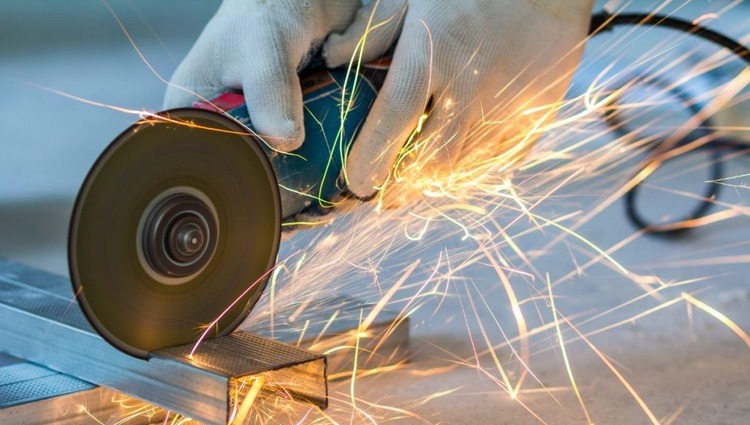
Metal cutting is one of the most critical processes in modern industries, forming the foundation of manufacturing, construction, and engineering. From aerospace to power generation and automotive to mining, the right cutting equipment ensures efficiency, accuracy, and safety. With so many options available, selecting the correct tools can be overwhelming. This blog will guide you through the essentials of choosing the right metal-cutting equipment for your industry and show how MacTech, a trusted exporter of precision-engineered tools, helps global businesses make the right choice.
Why the Right Equipment Matters
Using the wrong tool can lead to poor finishes, increased downtime, higher costs, and even safety hazards. On the other hand, selecting equipment tailored to your industry ensures:
- Consistent quality
- Extended tool life
- Reduced operational costs
- Faster project turnaround
Key Factors Behind Global Trust
1. Key Factors to Consider
Different metals require different cutting tools.- Aerospace industries often work with titanium and high-strength alloys, demanding ultra-precise, wear-resistant cutting tools.
- Automotive manufacturers rely on steel and aluminum, requiring versatile tools for high-volume production.
- Innovation and Technology Adoption Indian manufacturers are not just producing; they’re innovating. With the integration of CNC machining, automation, AI-driven processes, and R&D investment, the quality of Indian industrial tools has reached new heights.
- Mining & Infrastructure need rugged tools capable of handling heavy-duty steel and reinforced materials.
2. Cutting Speed and Accuracy
If your industry demands high precision—such as aerospace or power generation—you need equipment capable of maintaining accuracy at higher speeds. CNC-based cutting tools are popular for industries that cannot compromise on tolerance levels.
3. Production Volume
- High-volume industries like automotive need durable tools that can operate continuously with minimal wear.
- Low-volume industries such as custom fabrication may prioritize flexibility and adaptability over continuous operation.
4. Tool Durability
In harsh environments like mining, durability is non-negotiable. Tools should withstand extreme conditions, resist wear and tear, and deliver consistent results over long periods. Investing in high-quality precision-engineered equipment reduces replacement frequency and costs.
5. Cost vs. Value
While budget constraints are real, choosing cheaper tools often results in higher long-term expenses due to frequent replacements and downtime. A value-driven approach—prioritizing durability and performance over initial cost—yields better returns.